
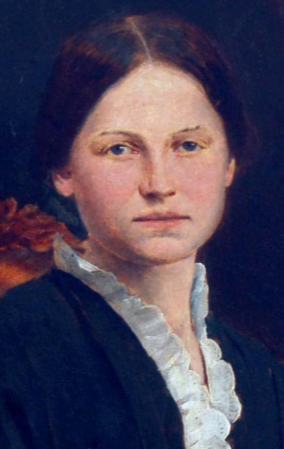
Episode 23: Elisabeth Koren
In the 23rd episode of 200 Norwegians, we will dive into the story of Elisabeth Koren, one of the most important chroniclers of the Norwegian-American experience. Born into a prominent family she left Norway in 1853 to join her husband, pastor Ulrik Vilhelm Koren, on the American frontier. Through her remarkable diary, she documented the Atlantic crossing, pioneer life in Iowa, and the everyday experiences of Norwegian immigrants. Recorded in Decorah, Iowa, this episode also features conversations with two of Koren’s descendants, offering fresh perspectives on why her story continues to resonate today.
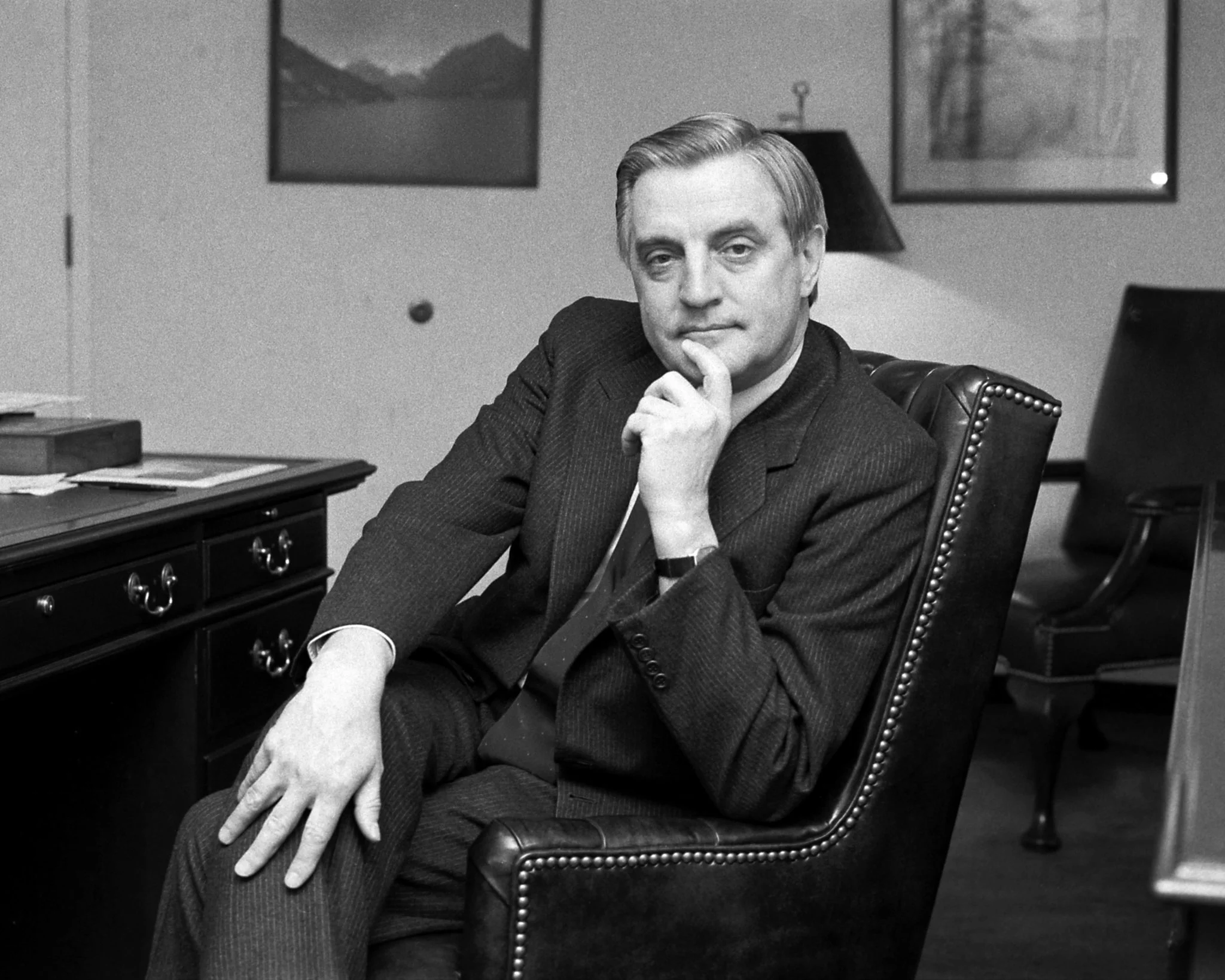
Episode 22: Walter Mondale
In the 22nd episode of 200 Norwegians, we tell the story of Walter Mondale, a Norwegian-American who lost one of the biggest elections in U.S. history, but still helped reshape American politics. Mondale was born in 1928 in Minnesota, the son of a minister, and grew up in a household shaped by modest means, strong values, and a deep belief in education. Over time, he rose through the ranks of American politics, becoming a U.S. senator, a key figure in civil rights legislation, and later vice president under Jimmy Carter. This episode follows Mondale’s journey from his Norwegian roots to the highest levels of power—and how he transformed the vice presidency into a central part of government. It also explores the honesty and integrity that defined his career, and may ultimately have cost him the presidency.
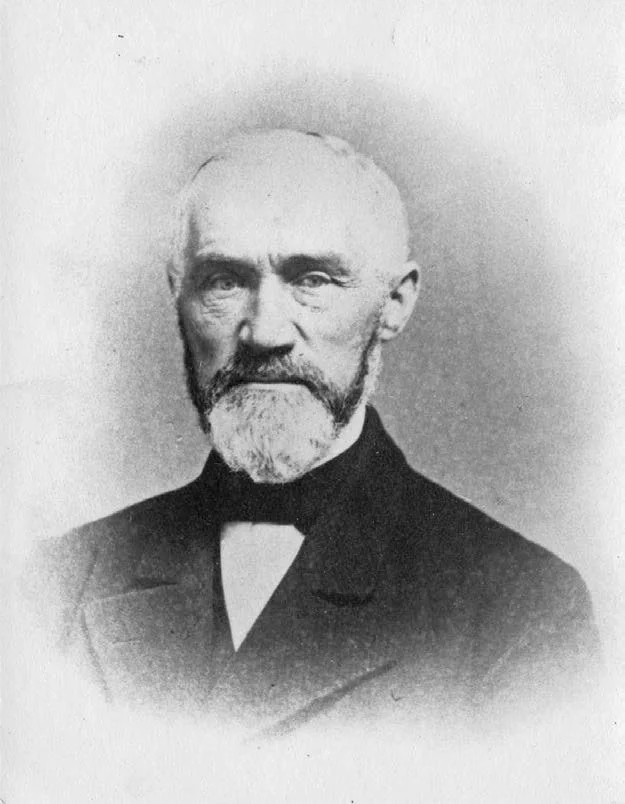
Episode 21: Peder Sather
In the 21st episode of 200 Norwegians, we tell the story of Peder Sather, a Norwegian immigrant whose name today is written into the landscape of the University of California, Berkeley.
Sather was born on a small farm in Odalen, Norway, in 1810. Orphaned young and without the prospect of inheriting the farm, he left for America in 1832—long before mass Norwegian emigration had begun.
Starting with modest work in New York, he eventually built a career in finance and later moved west during the California Gold Rush, where he helped establish a banking house in San Francisco.
This episode follows Sather’s journey from rural Norway to Gold Rush–era California—and how a man who never received a proper education ended up helping build one of the world’s great universities.
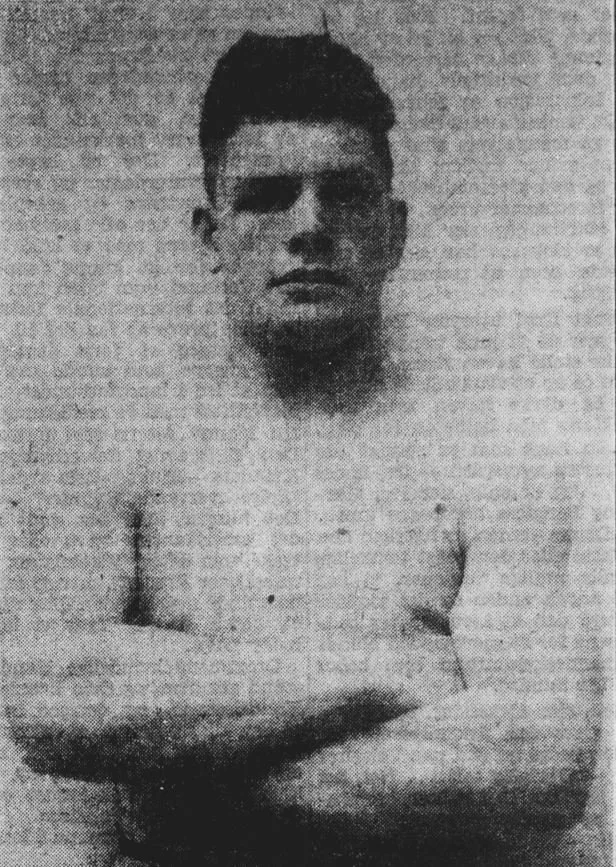
Episode 20: Magnus "Wolf" Larsen
In the 20th episode of 200 Norwegians, we tell the story of Magnus “Wolf” Larsen, a Norwegian-American boxer whose career rose quickly—and unraveled just as fast.
Born in southern Norway in 1901, Larsen grew up in a family of Travelers and experienced violence and instability from an early age. After coming to the United States, he emerged as a powerful amateur boxer, winning both the New York State and national amateur championships in 1921.
Turning professional, Larsen faced some of the leading fighters of his time, including Gene Tunney. But longer bouts, heavy drinking, and poor decisions undermined his career. Within a few years, he was banned from boxing in New York and drifted through smaller venues and countries, eventually ending up on the margins of the Norwegian immigrant community.
This episode examines Larsen’s brief rise and long decline, and what his life reveals about opportunity, risk, and failure in early twentieth-century immigrant America.
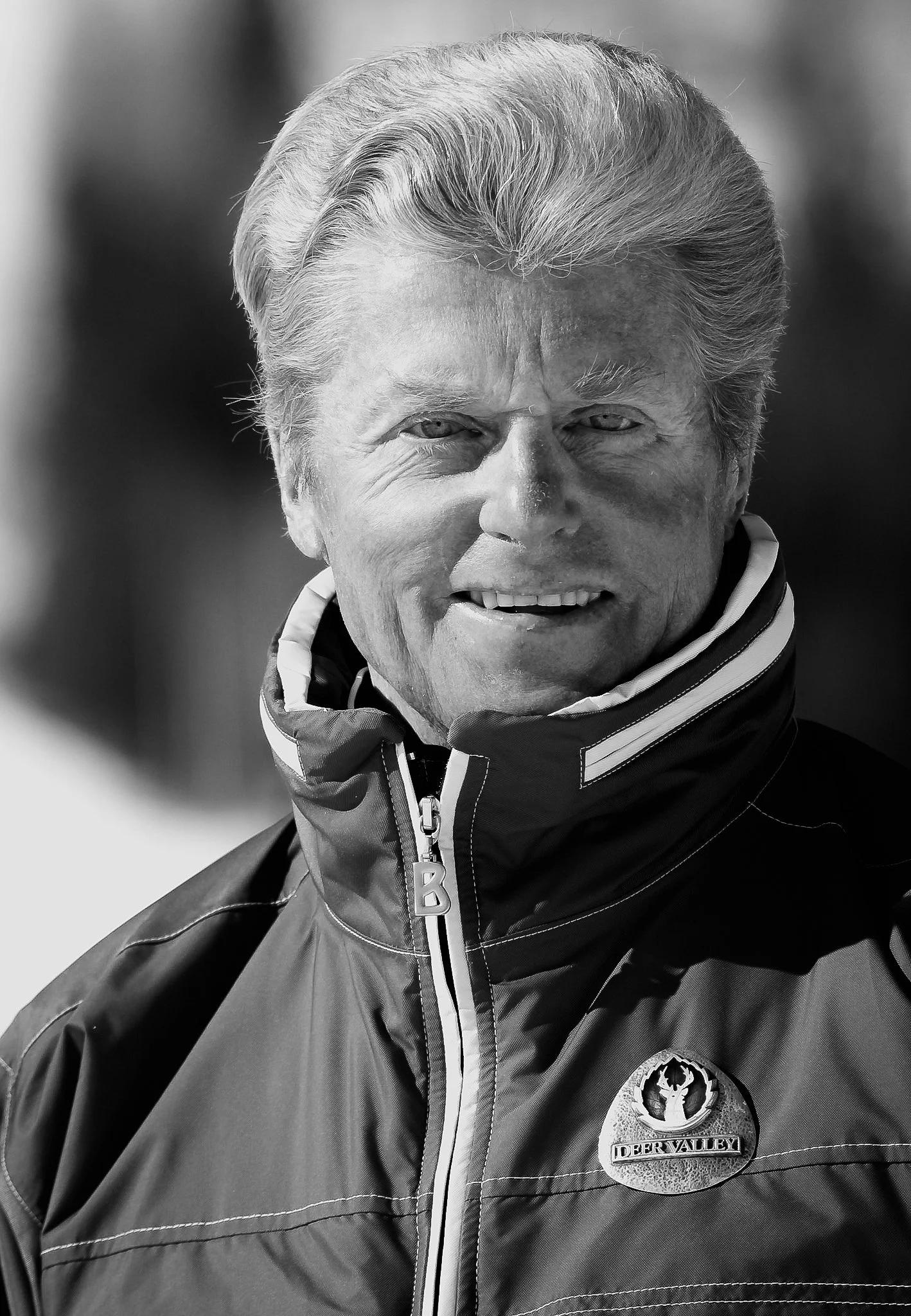
Episode 19: Stein Eriksen
In the 19th episode of 200 Norwegians, we tell the story of a man who became the face of an entire sport. Long before skiing was mainstream in the United States, Stein Eriksen helped transform it from a niche activity into a lifestyle. This episode traces how a boy who grew up near the forests of Oslo, raised by ski-obsessed parents and shaped by war, discipline, and relentless training, went on to redefine what alpine skiing could be. We follow his path from dark wartime slopes in Norway to the bright mountains of Aspen, from Olympic glory to celebrity friendships, commercials, and ski resorts built around his name. Along the way, we explore how style, timing, and personality mattered as much as medals. With the help of folklorist Thor Gotaas, this episode moves fast—packed with facts, anecdotes, and sharp turns—and shows how Stein Eriksen became skiing’s first true superstar.
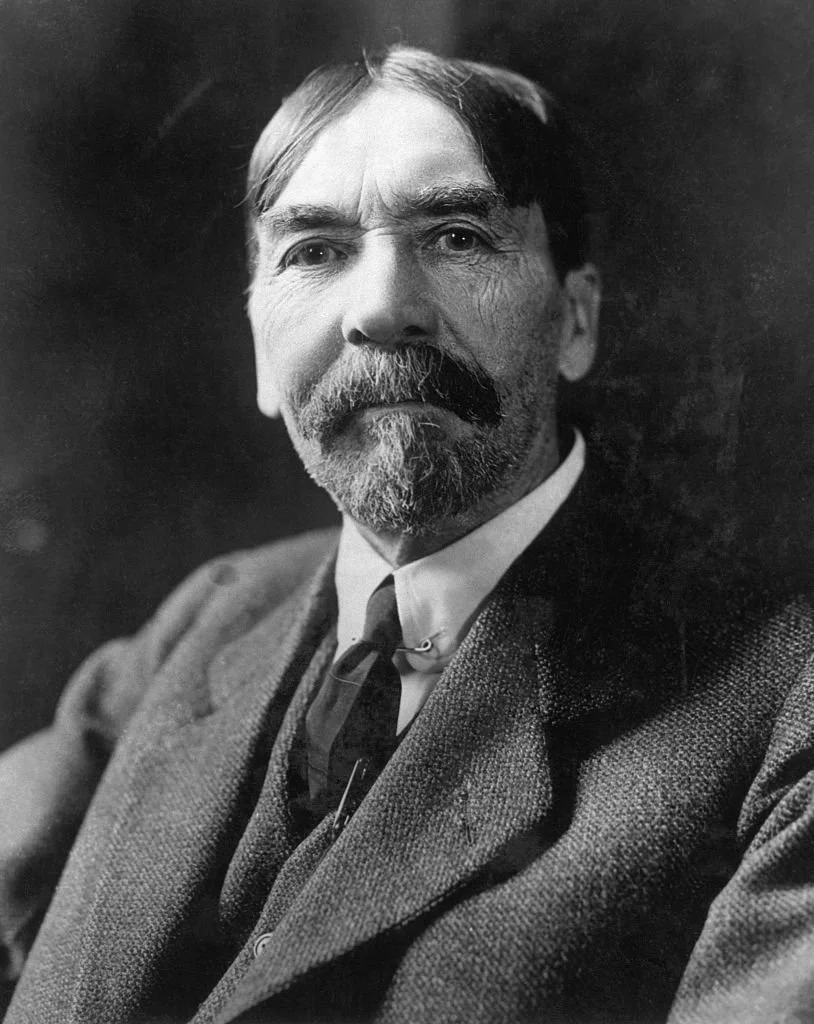
Episode 18: Thorstein Veblen
In the 18th episode of 200 Norwegians, we tell the story of Thorstein Veblen, a Norwegian-American thinker who spent his life trying to understand why wealthy societies so often lose their way. Veblen died in 1929, alone in a small cabin in California. No obituary appeared. His name had largely vanished from public conversation. Then the stock market crashed—and suddenly America remembered him. Born to Norwegian immigrant parents on the Midwestern frontier, Veblen grew up in a tight-knit Norwegian community, culturally distant from the America that was rapidly industrializing around him. That distance gave him a peculiar vantage point. He watched the rise of great fortunes, railroads, monopolies, and financiers—and noticed something unsettling. Wealth, he argued, was increasingly detached from productive work and devoted instead to display. In The Theory of the Leisure Class, Veblen coined the term “conspicuous consumption,” not as a slogan, but as a diagnosis of a society that had begun to mistake waste for success. This episode explores Veblen’s unlikely life—from Norwegian farm communities to elite universities—and why his ideas keep resurfacing during moments of economic crisis. It is a story about status, power, and a question that remains unresolved: what kind of prosperity actually serves society?
Episode 17: Knut Hovden
In the 17th episode of 200 Norwegians, you learn about Knut Hovden. He was born on a storm-beaten island outside Bergen in 1880, a frail boy who couldn’t join the fishermen at sea. Instead of hauling nets, he studied how they worked. That curiosity carried him from a small village to Norway’s fish-preservation school—and eventually across the Atlantic. After the great fire of Ålesund in 1904, Hovden left Norway and arrived in Monterey, California. There he reshaped an entire industry. He invented machines, modernized fishing methods, and helped turn a quiet waterfront into the sardine capital of the world. His work fed soldiers in two world wars and powered the booming canneries of Cannery Row. But his success brought pollution, overfishing, political battles, and personal turmoil.
Contributors: Fredrik Kalstveit, Erik Hennum Bergsagel, Ingvil Grimstad, Tim Thomas, Michael Hemp, Lewis Rhames, Jim Covel, Bert Cutino
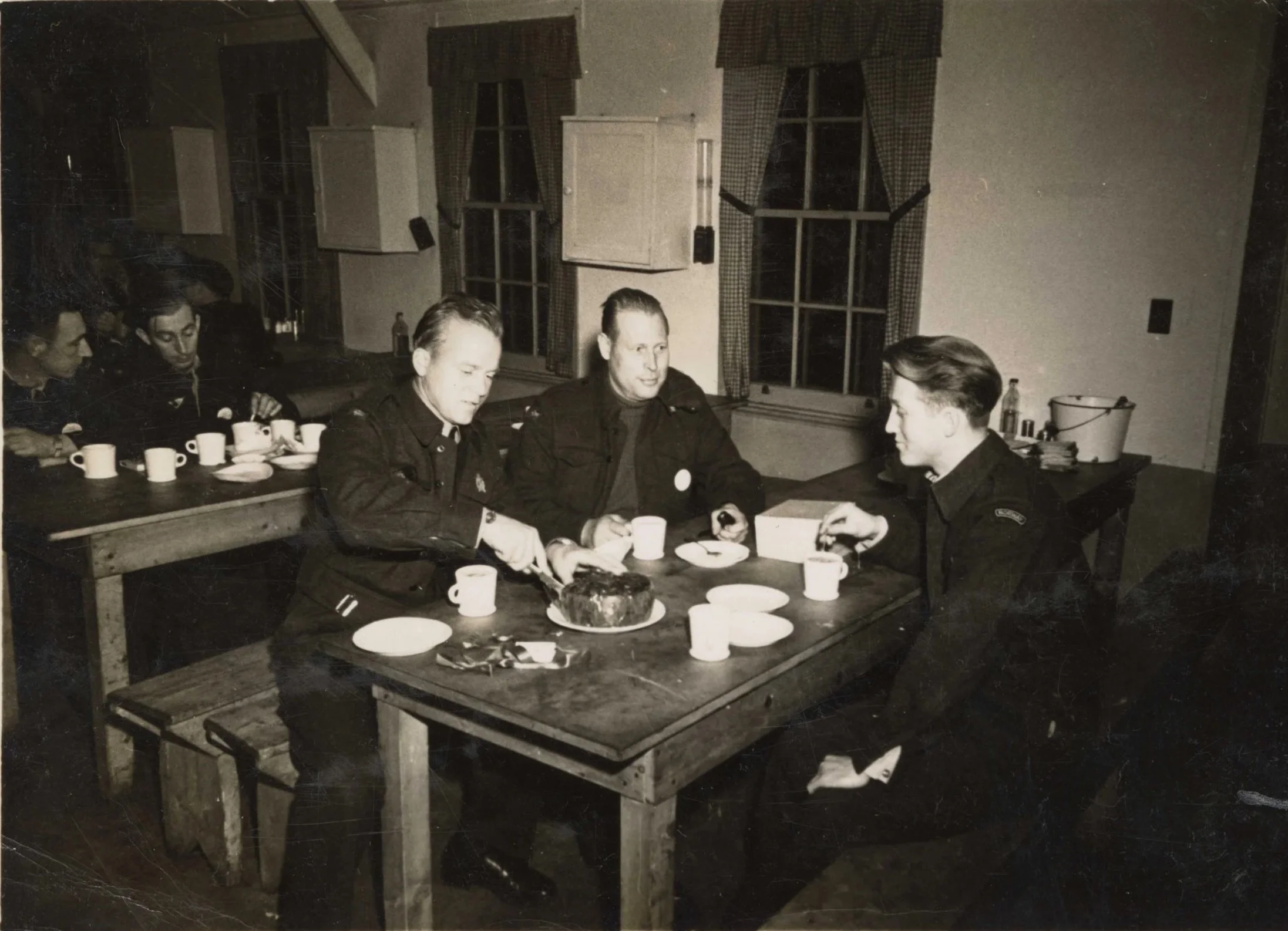
Episode 16: Campbell Norsgaard
The 16th episode of 200 Norwegians tells the story of Campbell Norsgaard, the photographer who risked his life to document Norway under Nazi occupation—and later captured its rebirth. Imprisoned by the Gestapo for taking forbidden photos, Norsgaard escaped and went on to become the official photographer for the Royal Norwegian Air Force at Little Norway in Canada. His lens followed the war across continents—from pilots training in exile to the King’s return after liberation—and later turned toward the quiet wonders of nature in films for the National Geographic Society. In this episode, we hear from Heather Turner, Norsgaard’s granddaughter, who shares unseen images from the family archive and helps piece together the undocumented story of the documentarian.
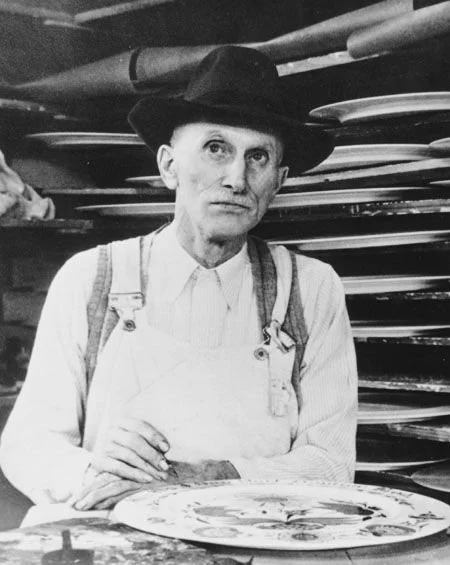
Episode 15: Per Lysne
In this episode of 200 Norwegians, we explore how one man’s brushstrokes brought a fading folk art back to life, and build a Rosemaling enterprise in the Midwest during the depression With insights from Patti Goke, a Vesterheim Gold Medalist, and Håkon Lysne, president of the Lærdal Historical Society, we trace the journey of the Father of American Rosemaling—from the fjords of Norway to the heart of the Midwest.
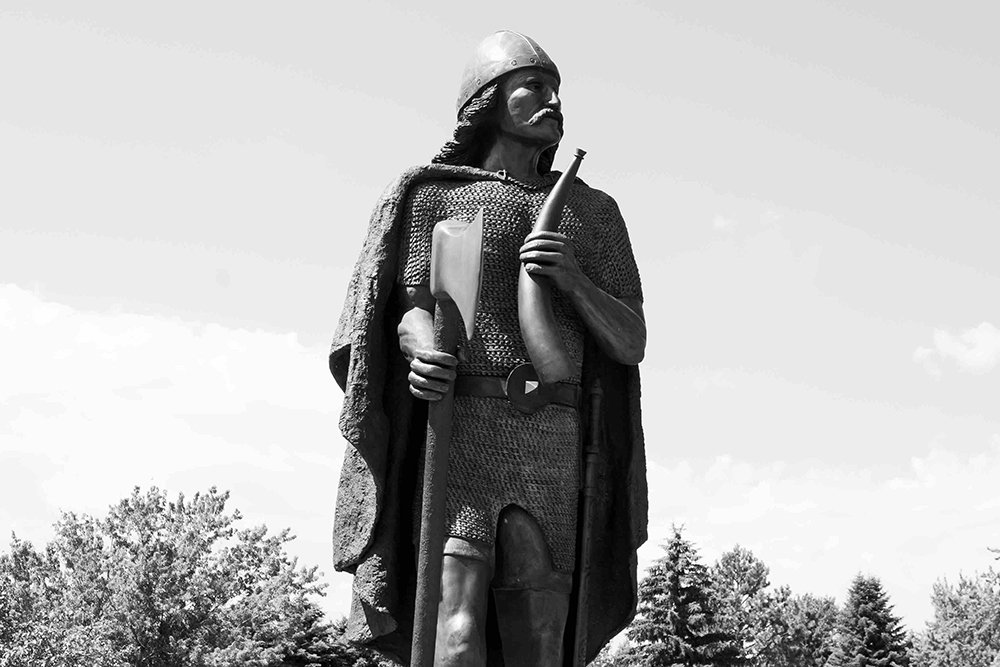
Episode 14: Leif Erikson
In the 14th episode of 200 Norwegian, we tell the story of Leif Erikson—the first European to reach North America—and how his place in U.S. history was revived a thousand years later. We trace Helge Ingstad’s 1960 search to L’Anse aux Meadows, where turf-house ruins and later carbon dating confirmed a Viking-age settlement, bringing the sagas of Vinland out of myth and into evidence. Along the way, we ask why Columbus became a household name while Leif lingered in the footnotes, and what the sagas (and their contradictions) really say about Helluland, Markland, and Vinland. Our guest is Norwegian journalist and author Knut Lindh—who met Ingstad—and helps unpack how discovery, memory, and identity shape the Leif Erikson story.

Episode 13: Ole Evinrude
The thirteenth episode of 200 Norwegians tells the story of Ole Evinrude, the man who invented the first successful outboard motor. Born in Norway and raised in Wisconsin, Evinrude struggled through failures and setbacks before his persistence led to an invention that changed boating forever. From a melting ice cream cone on a hot summer day to a machine that revolutionized life on America’s lakes and rivers, his journey is one of determination and ingenuity. In this episode, I speak with historian Bob Jacobson, author of Ole Evinrude and His Outboard Motor.

Episode 12: Guri Endreson Rosseland
In the 12th episode of 200 Norwegians, we tell the story of Guri Endreson Rosseland, a Norwegian settler woman caught in the Dakota War of 1862. On August 21st of that year, Dakota visitors arrived at the Rosseland farm in western Minnesota. At first, nothing seemed unusual. The families had traded and helped each other before. But this time was different. The men shot Guri’s husband Lars and their son Ole, and carried away two of her daughters. Hiding in a root cellar with her youngest child, Guri emerged to find her son Ole still alive but gravely wounded. With no formal training, she managed to nurse him back to life. She then led her children on a dangerous journey through burning farms and abandoned settlements, searching for safety. The Dakota War—or Sioux Uprising—was sparked by years of broken promises, withheld food, and land loss. While Norwegians were not the ones who negotiated the treaties, their settlements contributed to the displacement of the Dakota people. Historian Karl Jakob Skarstein has written extensively on this conflict, and in this episode we explore both the Rosseland family’s ordeal and the larger historical context. The story of Guri Rosseland is not simple. It raises questions about survival, resilience, and complicity in a violent frontier struggle. This episode examines how one woman endured the most traumatic days of her life, and how her story connects to a broader chapter of American and Norwegian immigrant history.

Episode 11: Sonja Henie
In the 11th episode of 200 Norwegians, you’ll meet one of Norway’s greatest athletes of all time: figure skater Sonja Henie. Not only did she dominate the sport with an unbeaten streak of three Olympic gold medals and ten world championships, she also reinvented herself as a Hollywood star and global diva with her lavish ice shows and musical skating comedies. How did she transform figure skating? How did she shape America’s idea of spectacle? And why did she remain such a controversial figure back home in Norway? In this episode, we trace a career that was not just larger than life—but, as sports historian Philip Harsh puts it, “larger than many lives.”

Episode 10: Ole Edvart Rølvaag
In the tenth episode of 200 Norwegians, we follow Ole Edvart Rølvaag—from storm-swept Dønna to the American Midwest—where he became perhaps the most important chronicler of the Norwegian immigrant experience, authoring numerous books, including his masterpiece Giants in the Earth. We visit his old turf at St. Olaf College in Northfield, Minnesota, step inside his preserved home and study, and speak with his granddaughter, Norwegian literature professor Solveig Zempel—a legend in her own right.

Episode 9: Hans Christian Heg
In the ninth episode of 200 Norwegians, you’ll discover the legacy of a Norwegian abolitionist, Hans Christian Heg. Heg was only eleven when he boarded the ship that carried his family across the Atlantic. The Heg family were Haugeans, part of a Norwegian lay movement that defied the religious monopoly of the state church. In Muskego, Wisconsin, they carved out a new life as farmers, publishers, and political pioneers. Heg didn’t live to grow old, but his contributions to Norwegian America—and the country at large—were many. In this episode, you’ll follow his journey from gold miner in California to groundbreaking prison reformer and committed abolitionist. You’ll hear why he became a leading figure among Norwegian Americans when the Civil War erupted, and why his sacrifice on the battlefield mattered. And we’ll talk about the irony that, in the summer of 2020, his statue was toppled by protesters who likely never knew what he stood for.

Episode 8: Odd Lovoll
Episode 8 of 200 Norwegians is a special live recording from Norway House in Minneapolis, featuring renowned Norwegian-American historian and Professor Emeritus at St. Olaf College, Odd Lovoll. Lovoll has authored numerous books on Norwegian-American history and is widely regarded as one of the most influential voices in the field. In this conversation, we talk about his childhood in Norway during World War II, his immigration to the U.S. in the 1940s, the tragic loss of his older brother, and the journey that led him to become the foremost historian of the Norwegian-American experience.

Episode 7: Knute Rockne
The seventh episode of 200 Norwegians tells the story of legendary football coach Knute Rockne. What made him so great? How did he achieve the highest winning percentage in college football history? What was the Rockne system? And why was he called the Coach for a nation.
We trace Rockne’s journey from the snow-covered village of Voss to the bustling streets of Chicago. Learn how the 1893 Chicago World’s Fair lured his inventor father—and eventually the entire Rockne family—across the Atlantic. Discover how Knute fell in love with football, excelled as an athlete, and later transformed the game itself.
We explore how his creativity and forward-thinking helped turn football from a fringe blood sport into a national pastime.
Featuring sports historian Jim Lefebvre, author of Coach for a Nation and executive director of Knute Rockne Memorial society.

Episode 6: Belle Gunness
In the sixth episode of 200 Norwegians, you’ll hear the story of Belle Gunness—the most dangerous Norwegian church lady in American history. Follow her journey from Selbu, Norway, to the outskirts of La Porte, Indiana, where she built a deadly empire of matrimonial ads, life insurance scams, and disappearing suitors. Discover how an immigrant woman became one of America’s most prolific serial killers—and how one suspicious brother helped bring her story to light. Was it greed that drove Belle to kill? Or something even darker? This episode follows the strange, violent arc of a woman who didn’t just change the lives of those around her—she may have changed how Americans saw Norwegian immigrants altogether.

Episode 5: Andrew Furuseth
In the fifth episode of 200 Norwegians, you will learn about Andrew Furuseth, often dubbed the Abraham Lincoln of the sea. In this episode, we trace his unlikely path from the inland hills of Norway to the roaring decks of America’s labor battles. We’ll sail through Norway’s golden age of seafaring, round the Cape, and dock in the wild boomtown of San Francisco—a place run by crimps, shanghaiers, and shipowners who treated sailors like disposable cargo.

Episode 4: Margarethe Cammermeyer
In the fourth episode of 200 Norwegians, we share the remarkable story of Margarethe Cammermeyer — the colonel who took on the U.S. military after being discharged for being a lesbian. Cammermeyer's life reads like a Forrest Gump-style journey through modern history. Born in Nazi-occupied Norway to parents active in the resistance, she went on to serve in the Vietnam War, became a top-ranking officer in the National Guard, and found herself at the center of a national controversy in the 1990s. Her legal battle led to a landmark court victory — and even inspired a made-for-TV movie starring Glenn Close. Along the way, she’s crossed paths with figures like Barbra Streisand and several U.S. presidents. In this episode, we dig into it all.